Our Impact

  • 600Students reached since 2024
  • 200Students taught every week
  • 5Partner organizations
  • 4Regions across India

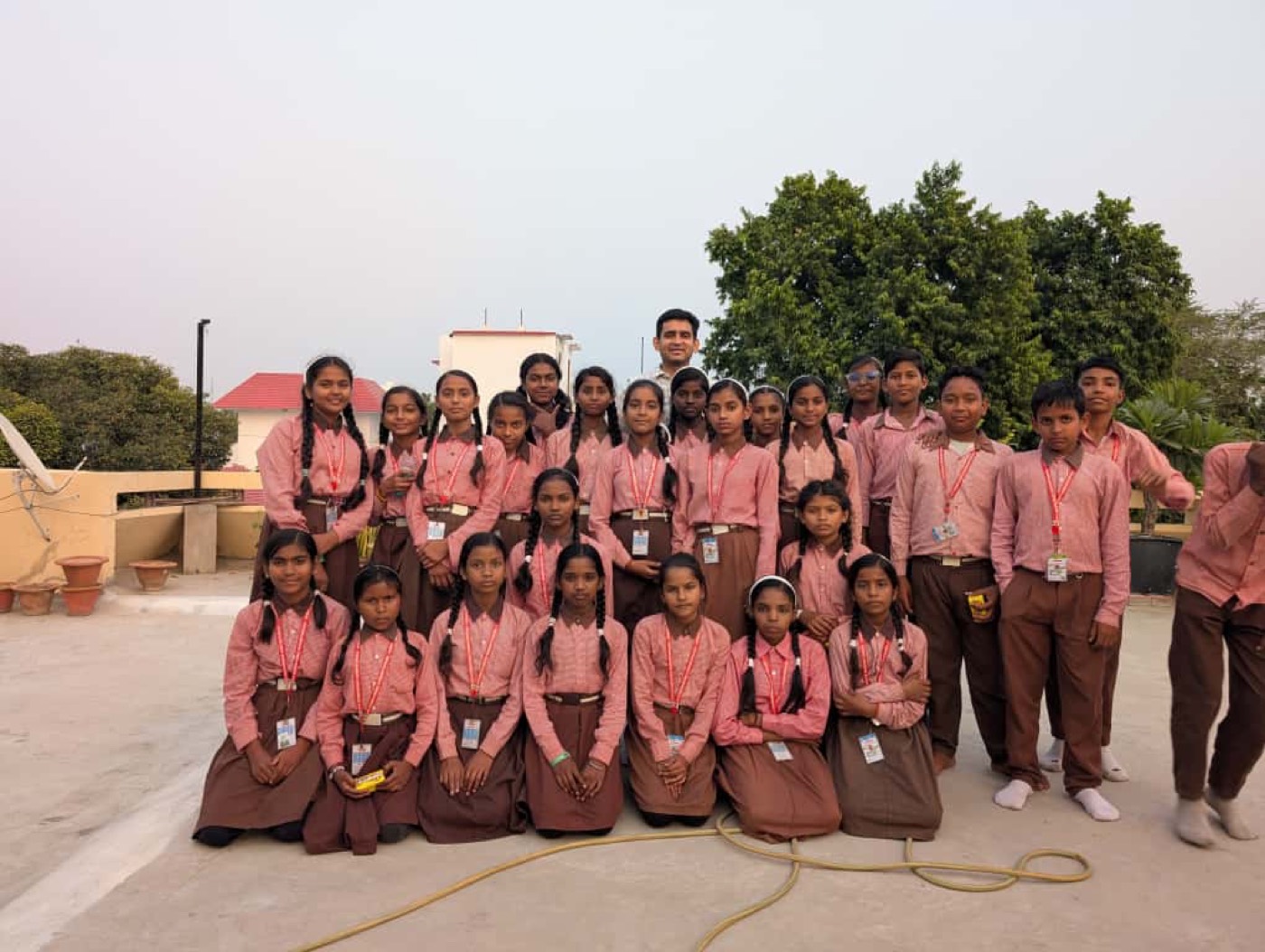
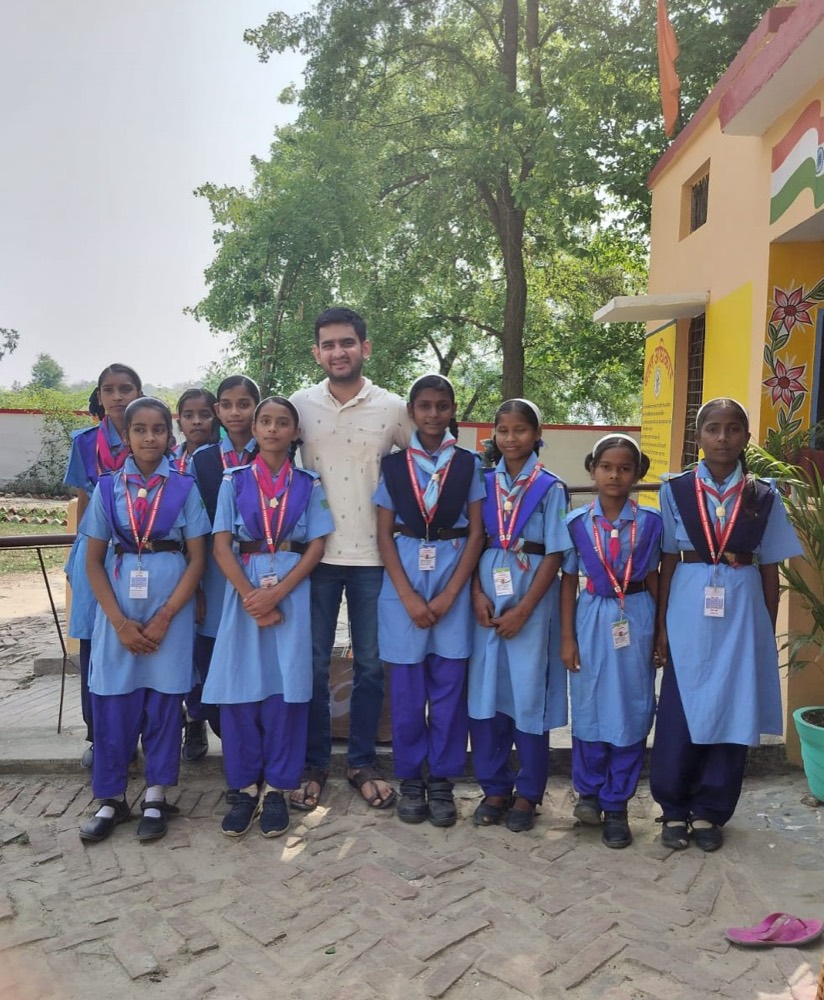
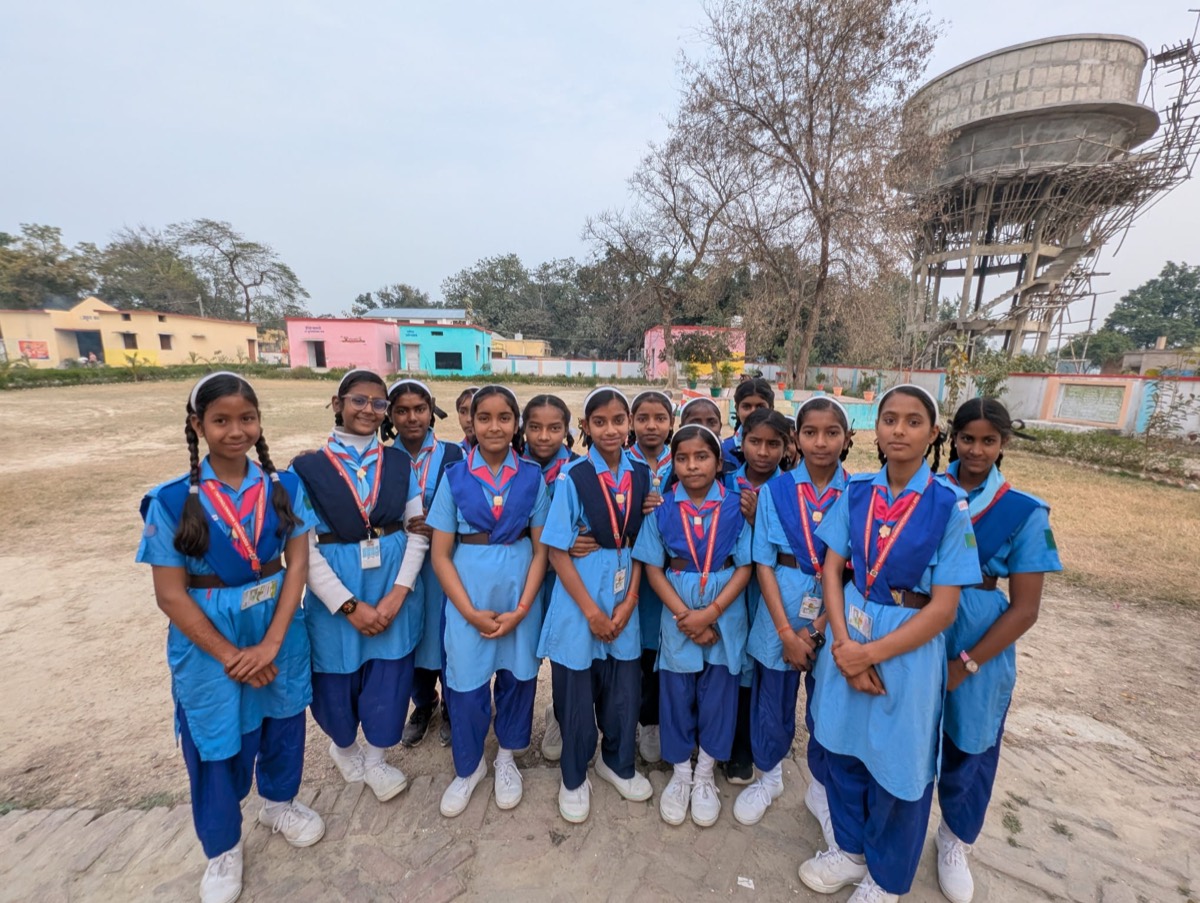
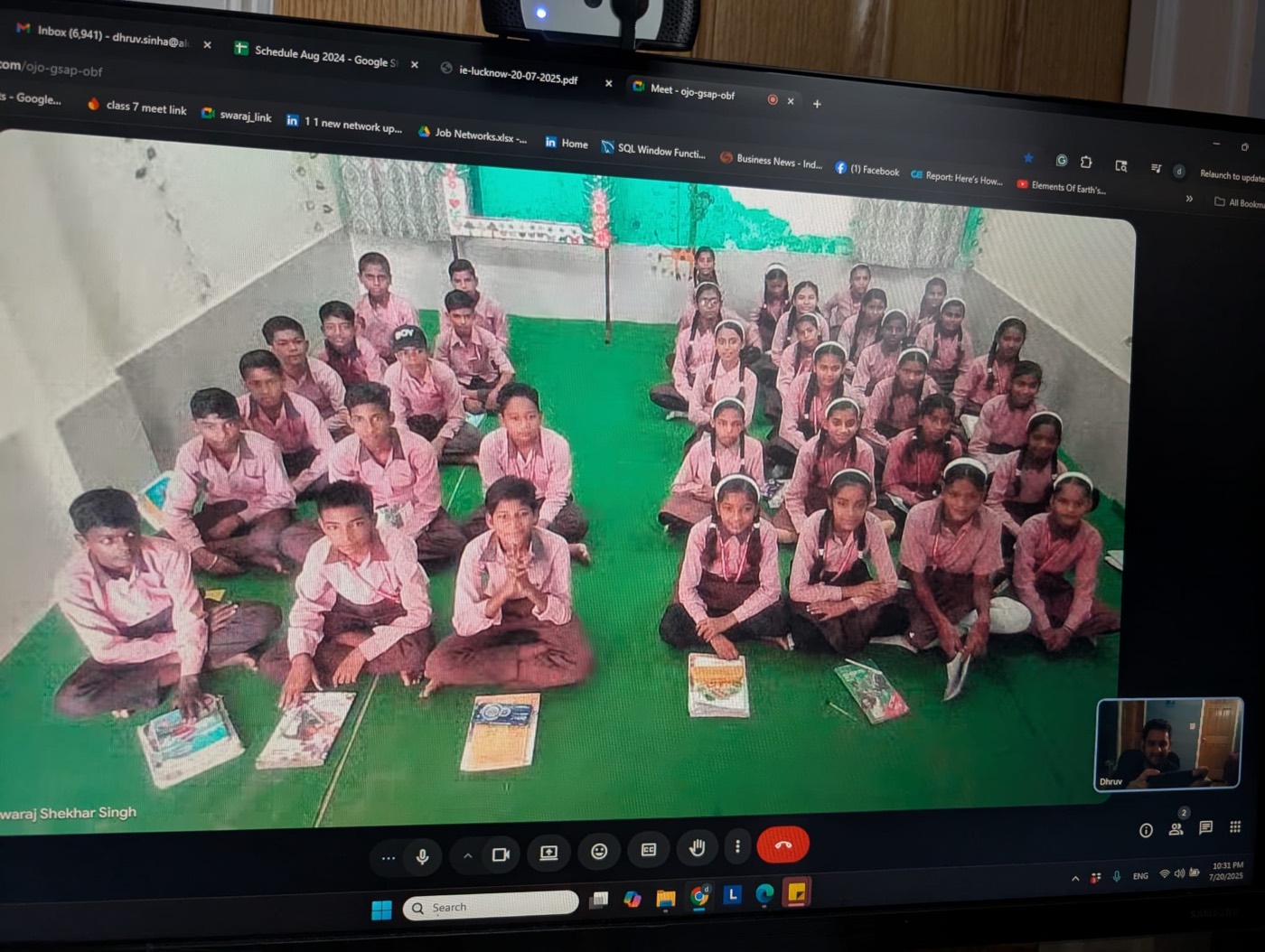
Since 2024, we have reached nearly 600 students. Today, our volunteer educators teach about 200 children every week across several states in India.

Together with our partners, we are building classrooms where children feel heard, valued, and able to shape their own futures.

As we grow, our goal stays simple:

To ensure that every child, regardless of background, has access to education that builds both strong foundational skills and the confidence to think independently.

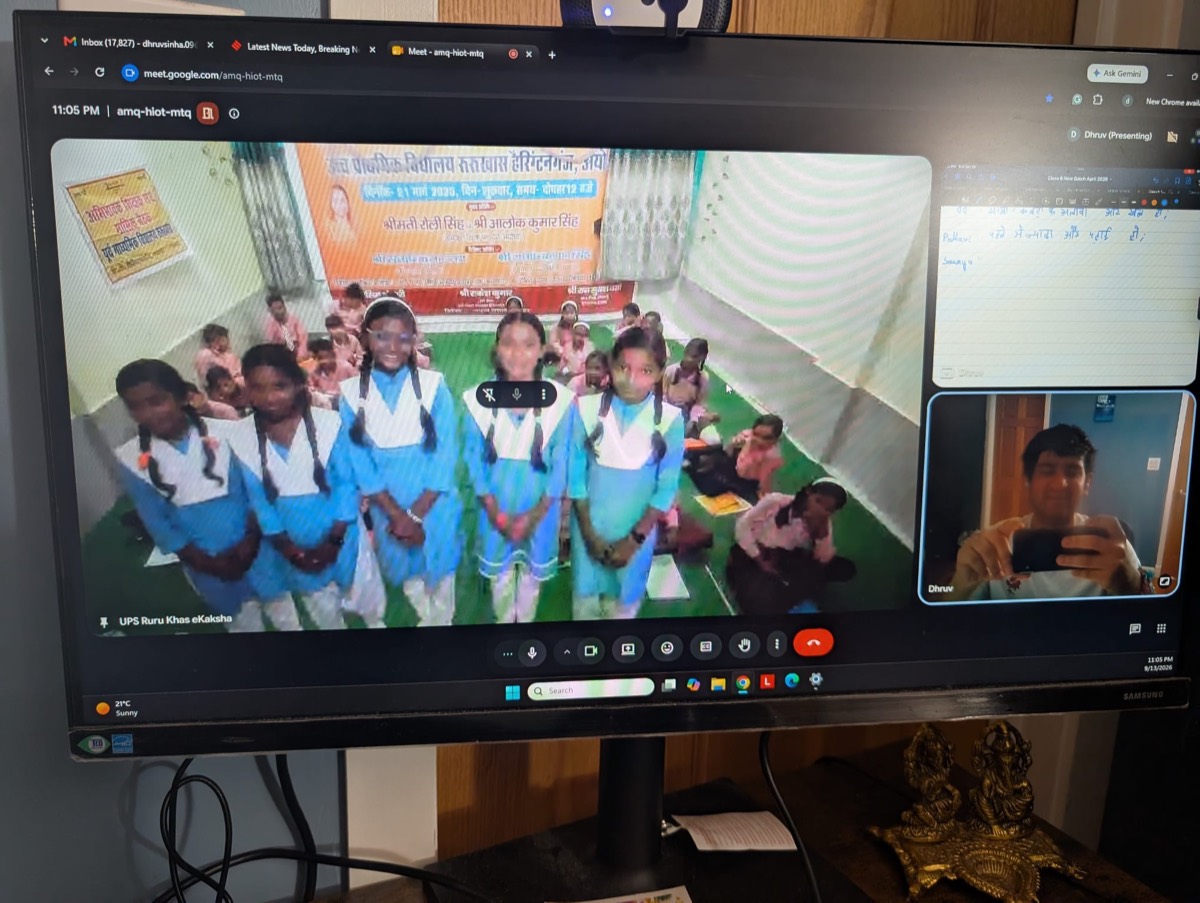
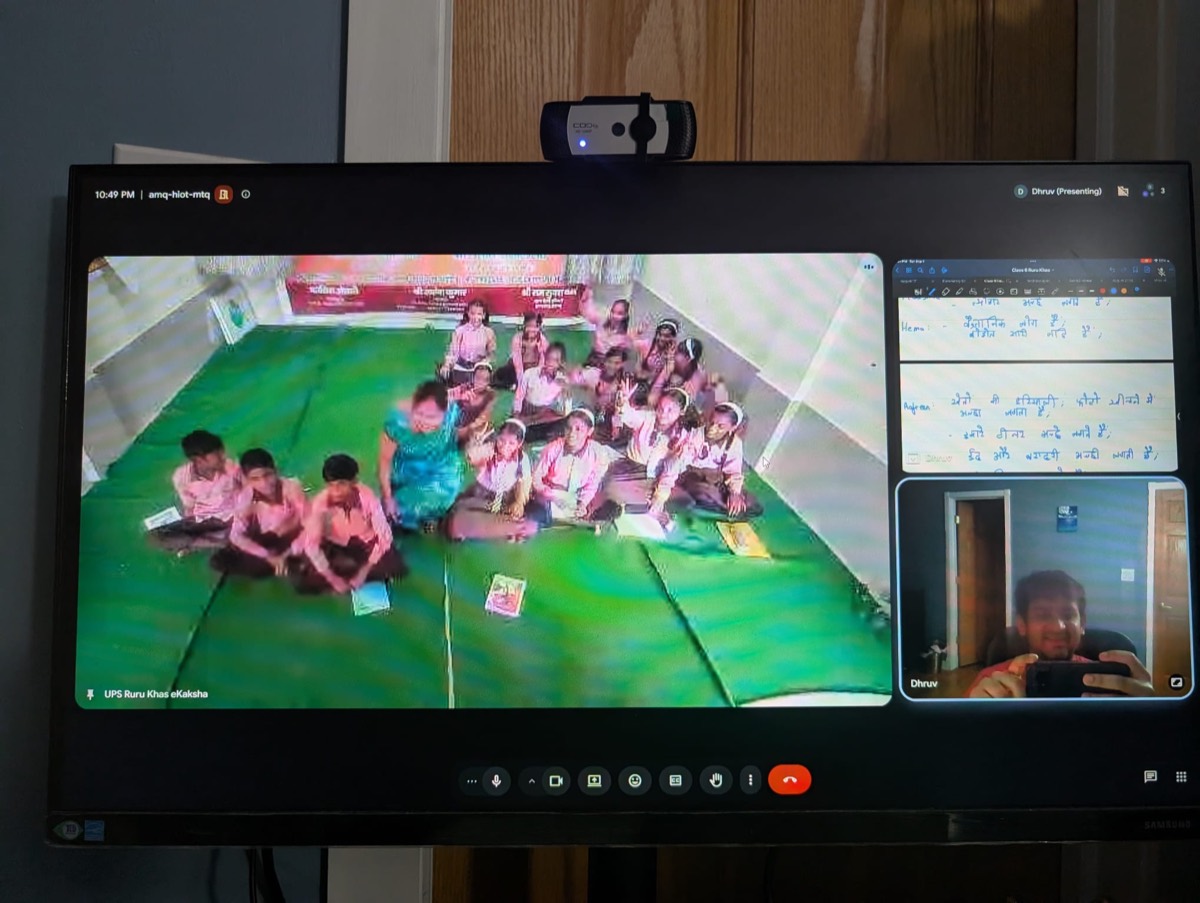
Inside Our Classroom: UPS Ruru Khas

Pages from the whiteboard

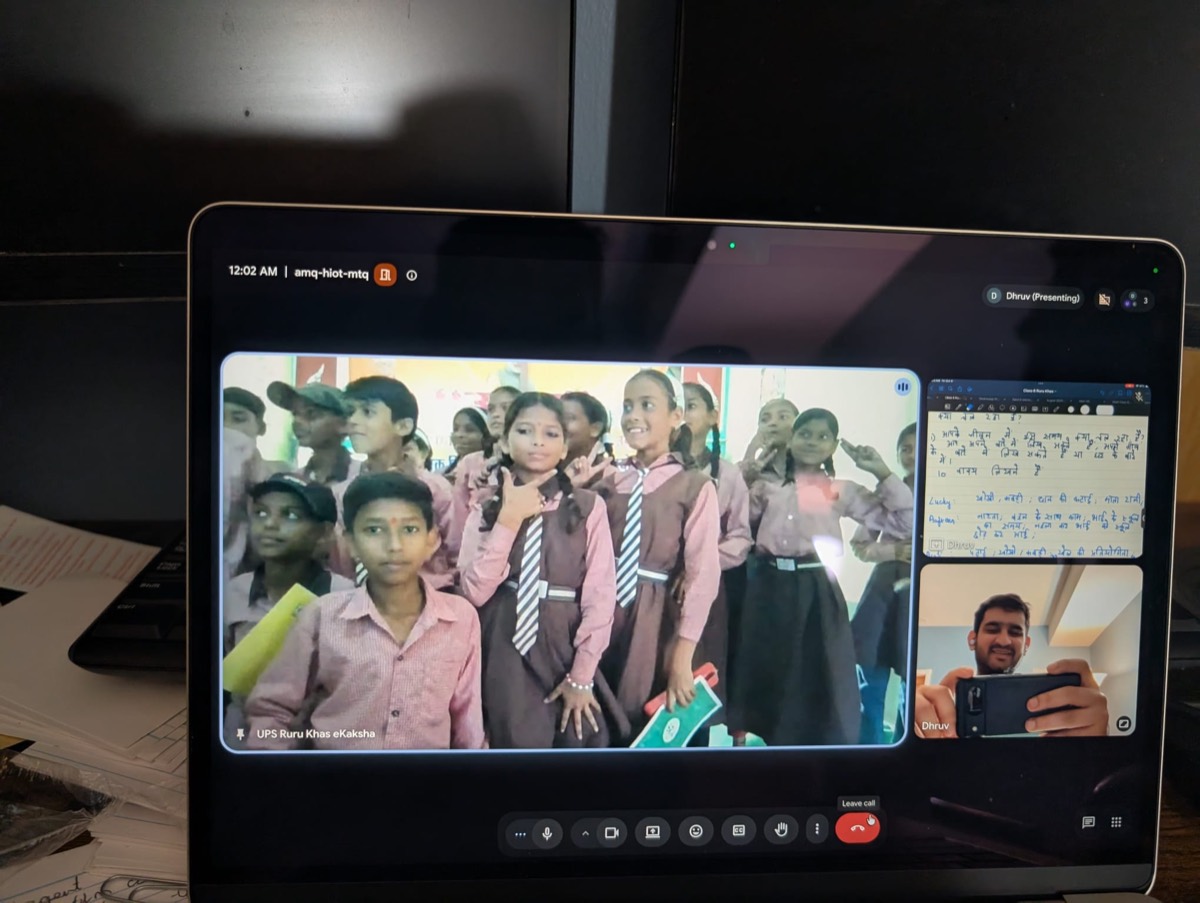
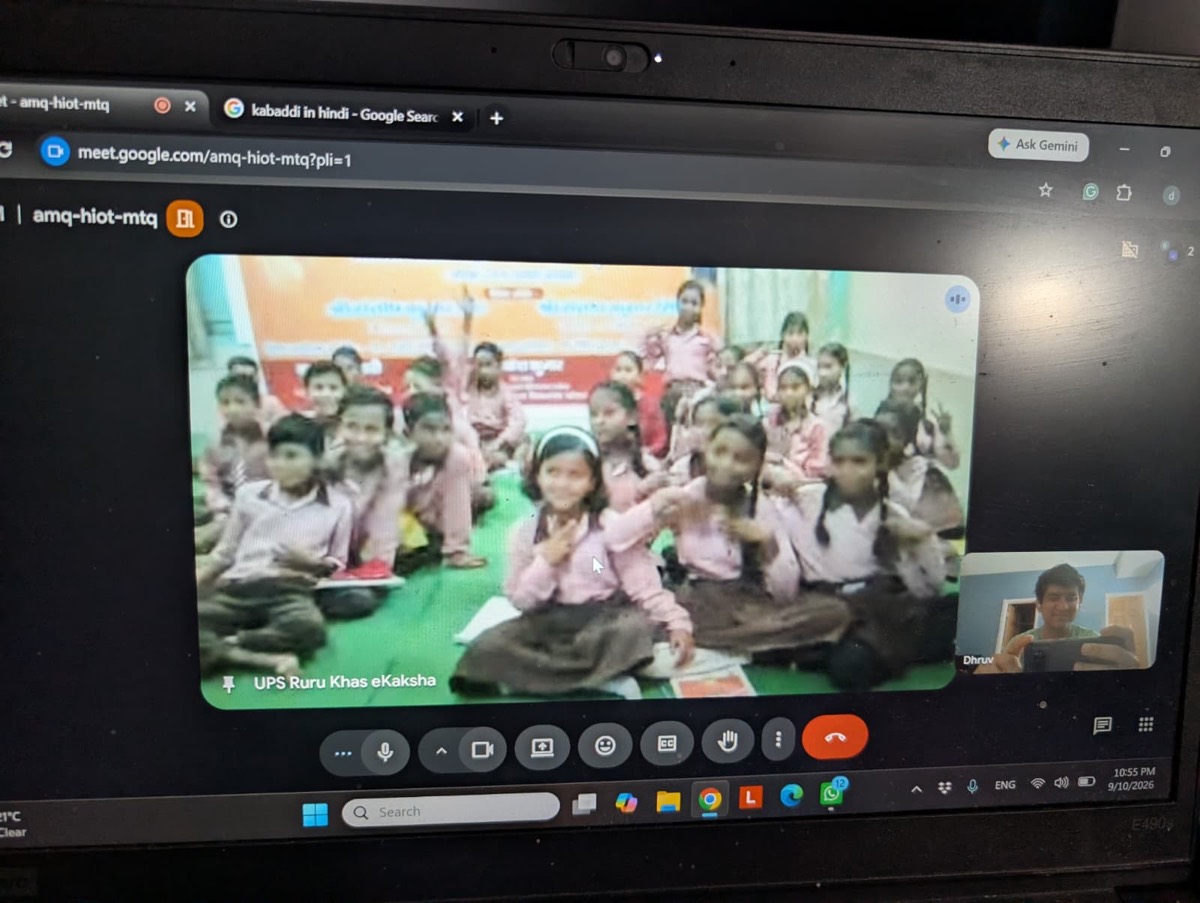
Every session at UPS Ruru Khas is planned on a digital whiteboard that students see on screen. These pages, written in Hindi, show how our students' learning has grown, from following class rules to debating, writing formal letters, and thinking about how to help others.
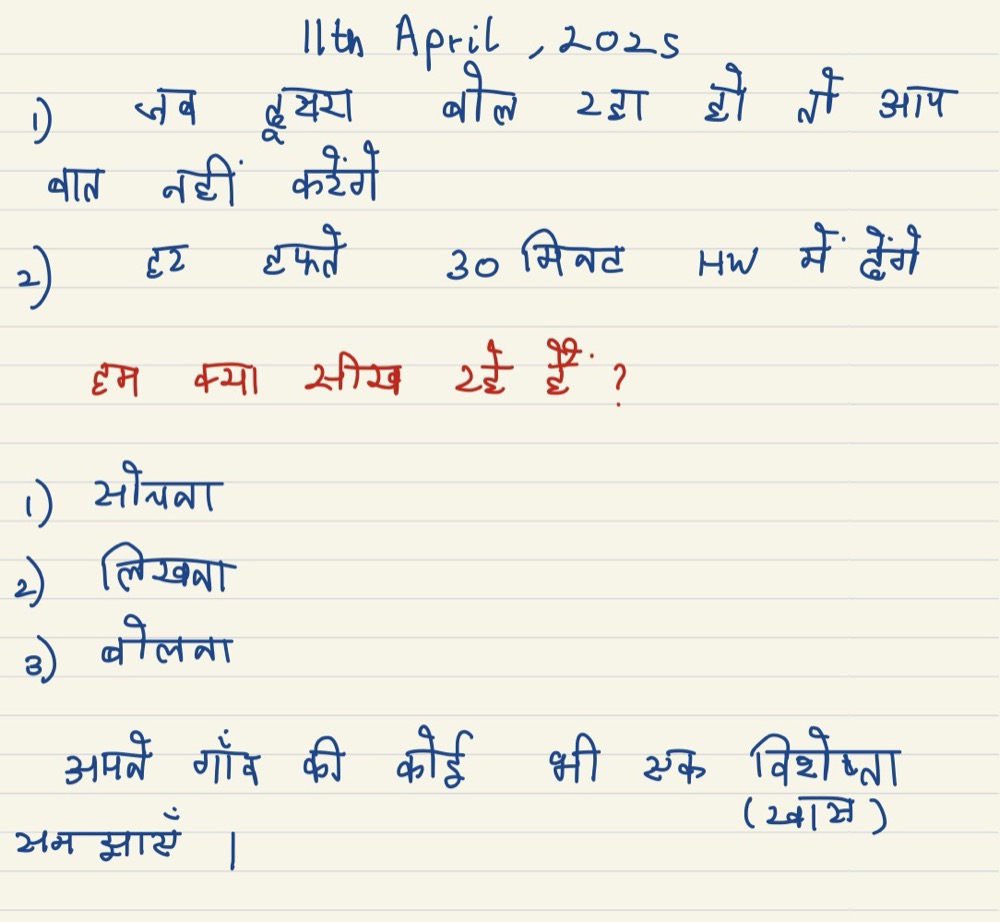
Handwritten Hindi whiteboard notes listing class rules and what students are learning: thinking, writing, speaking
Class rules"When someone else is speaking, we won't talk." Alongside the rules, students name what they are learning: thinking, writing, speaking. First task: describe one special thing about your village.
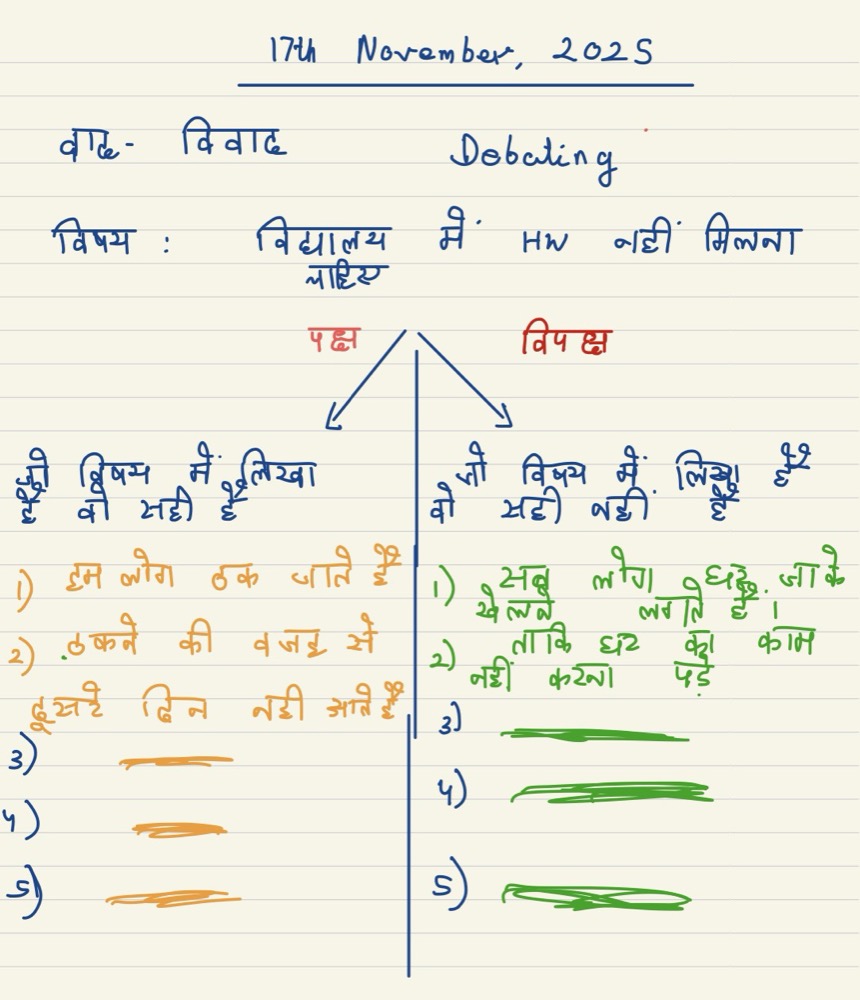
Whiteboard notes for a debate on whether schools should give homework, with columns for and against
DebateTopic: "Schools should not give homework." Students build arguments for (पक्ष) and against (विपक्ष).
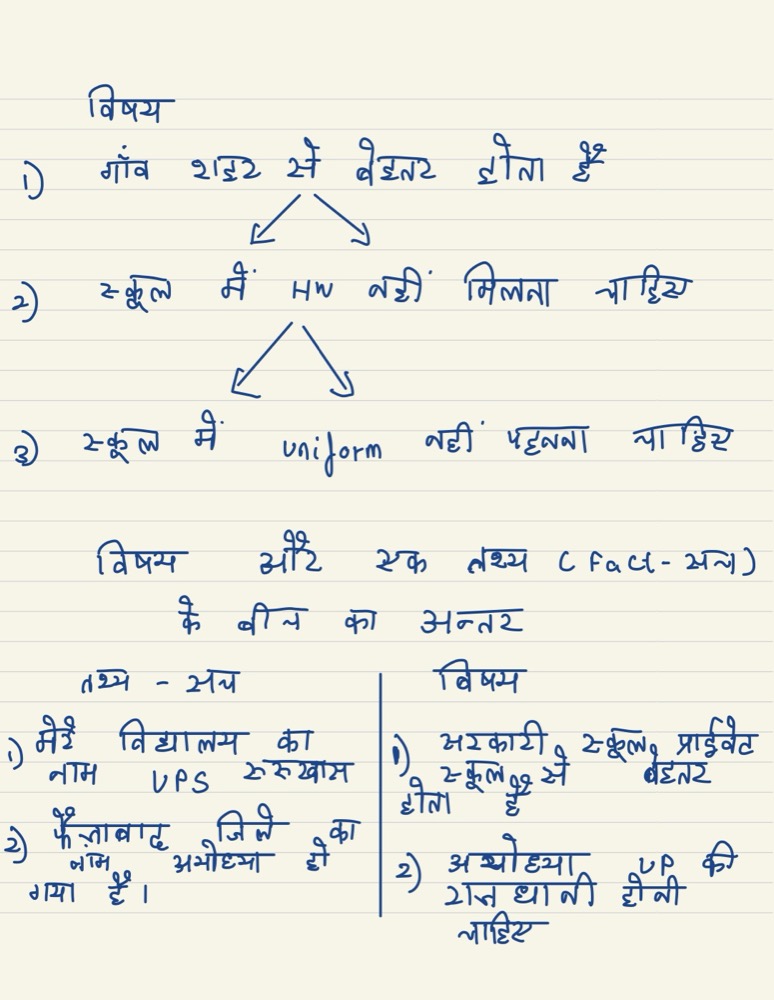
Whiteboard notes contrasting facts and opinions, with examples about the school, Ayodhya, and government schools
Fact or opinion?"My school is UPS Ruru Khas" is a fact. "Government schools are better than private schools" is an opinion.
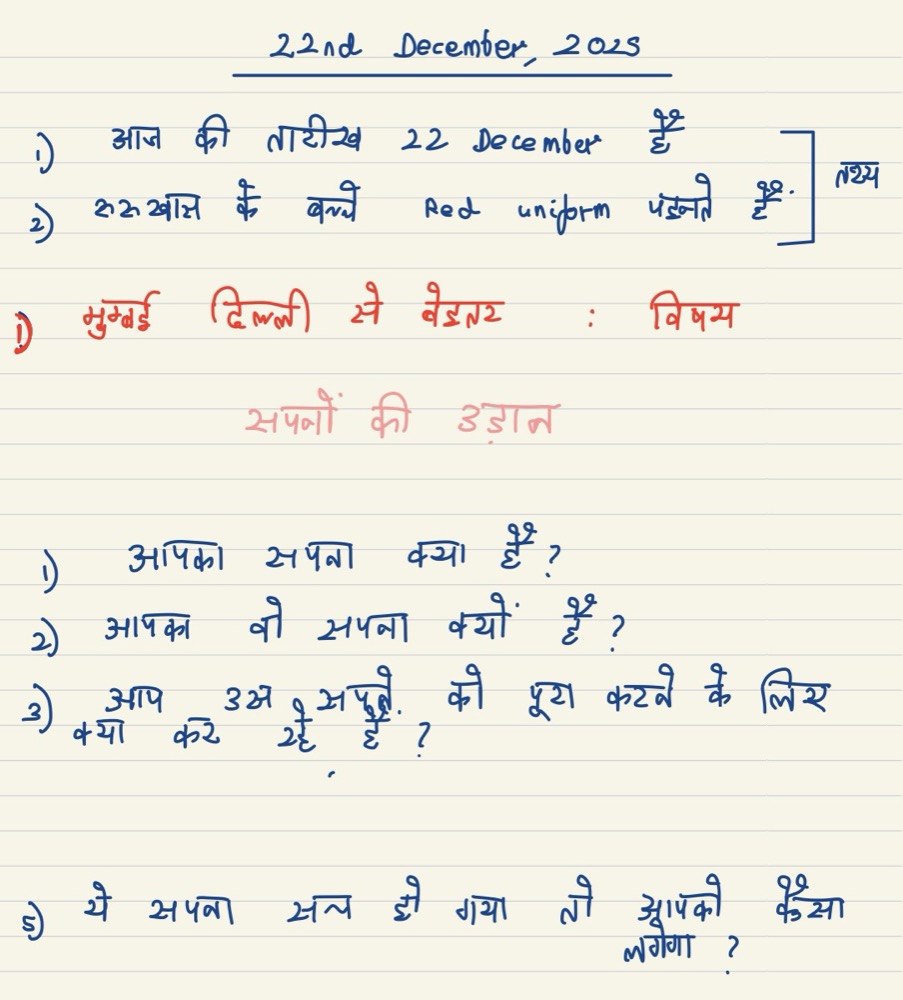
Whiteboard notes for the Flight of Dreams activity with four questions about students' dreams
Flight of DreamsWhat is your dream? Why? What are you doing to make it come true? How will you feel when it does?
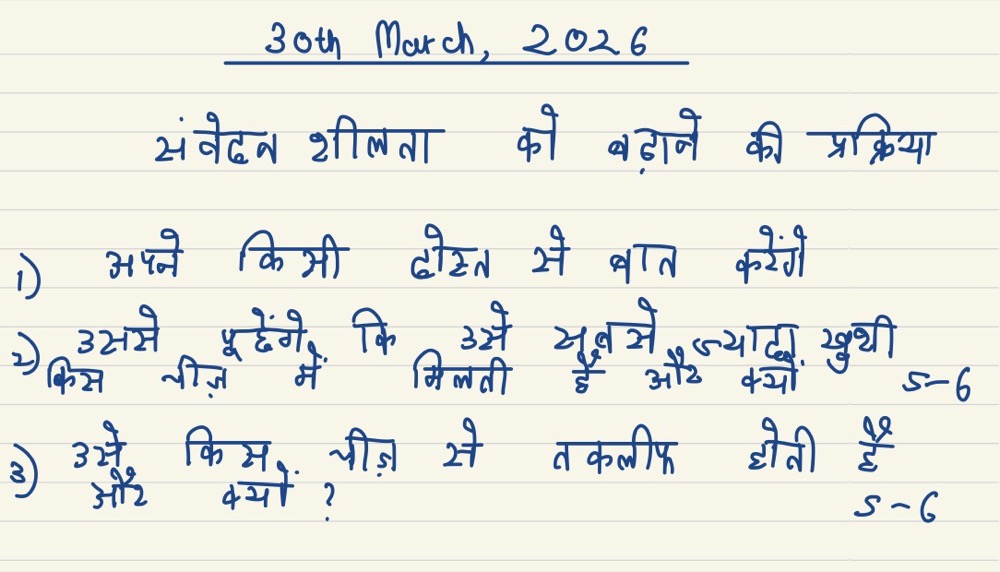
Whiteboard notes describing a process for building compassion by talking to a friend
Building compassionTalk to a friend. Ask what makes them happiest and why, and what hurts them and why.
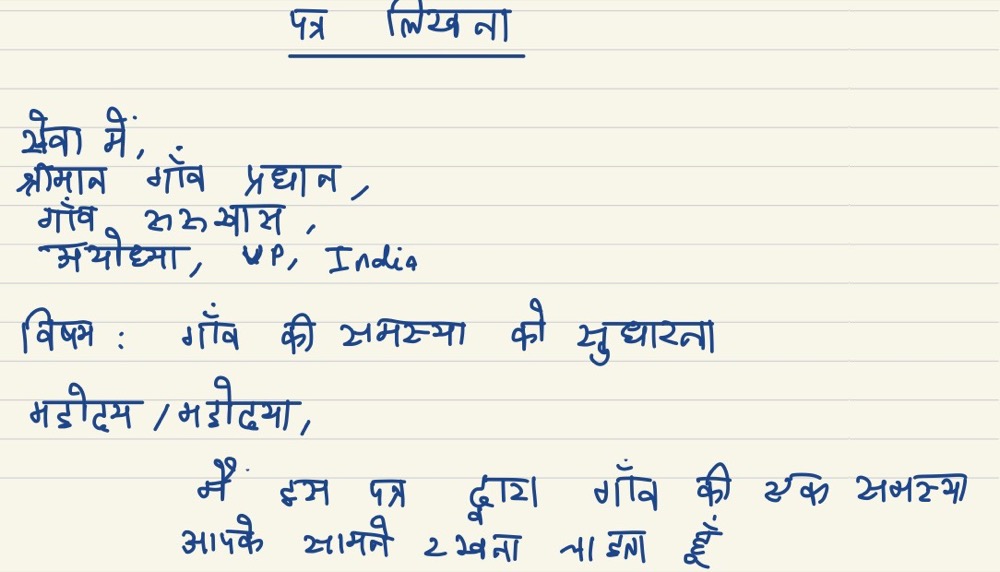
Whiteboard notes showing the opening of a formal letter to the village pradhan about a village problem
Writing for changeA formal letter to the village pradhan: "Through this letter, I want to bring a problem in our village to your attention."